
Co-Founder
Dr. Kimberly Dalius
Kimberly brings the client, user, research, behavioral, and business perspective.
From vision to reality, learn how Dr. Kimberly Dalius and Tariq Malik built Markeltree from the ground up and what truly drives us to serve our customers every day.




Their combination is what Markeltree is today.
Kimberly brings the client, user, research, behavioral, and business perspective.
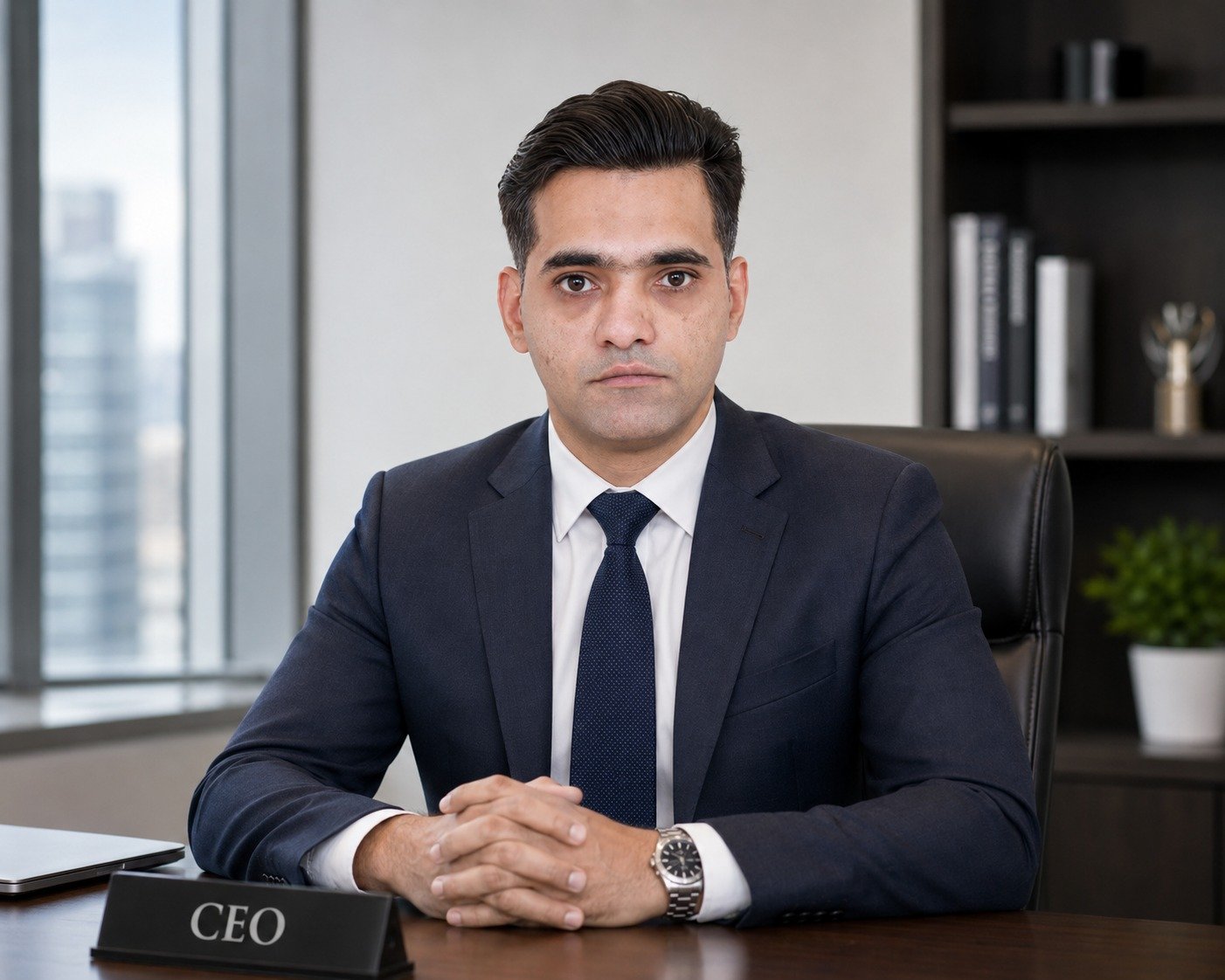
Tariq has the technology, engineering, execution and product development side to it.
Kimberly had a concept of an application.
Students urged her to transform her system into technology.
Development teams that didn't work out.
A team in Karachi, Pakistan that understood the why.
Pauseitive launched on iOS and Android.
The client and the account manager became partners.
It wasn't two people who decided to start a software company that kicked off Markeltree's story.
It started years ago when Dr. Kimberly Dalius had a concept of an application.
Kimberly found herself continually facing these issues with the college students she worked with in Higher Education and coached as a college coach: managing, competing responsibilities, staying organized, staying focused, and taking care of their emotional well-being.
With the start of the pandemic, students started urging her to transform the system that she had developed into technology.
She listened.
The concept evolved into Pauseitive™, an online platform focused on student organization, productivity, coaching and mental health.
Kimberly was well-versed in the issue.
But what she didn't know yet was how hard it's going to be to assemble the right team to develop the technology.
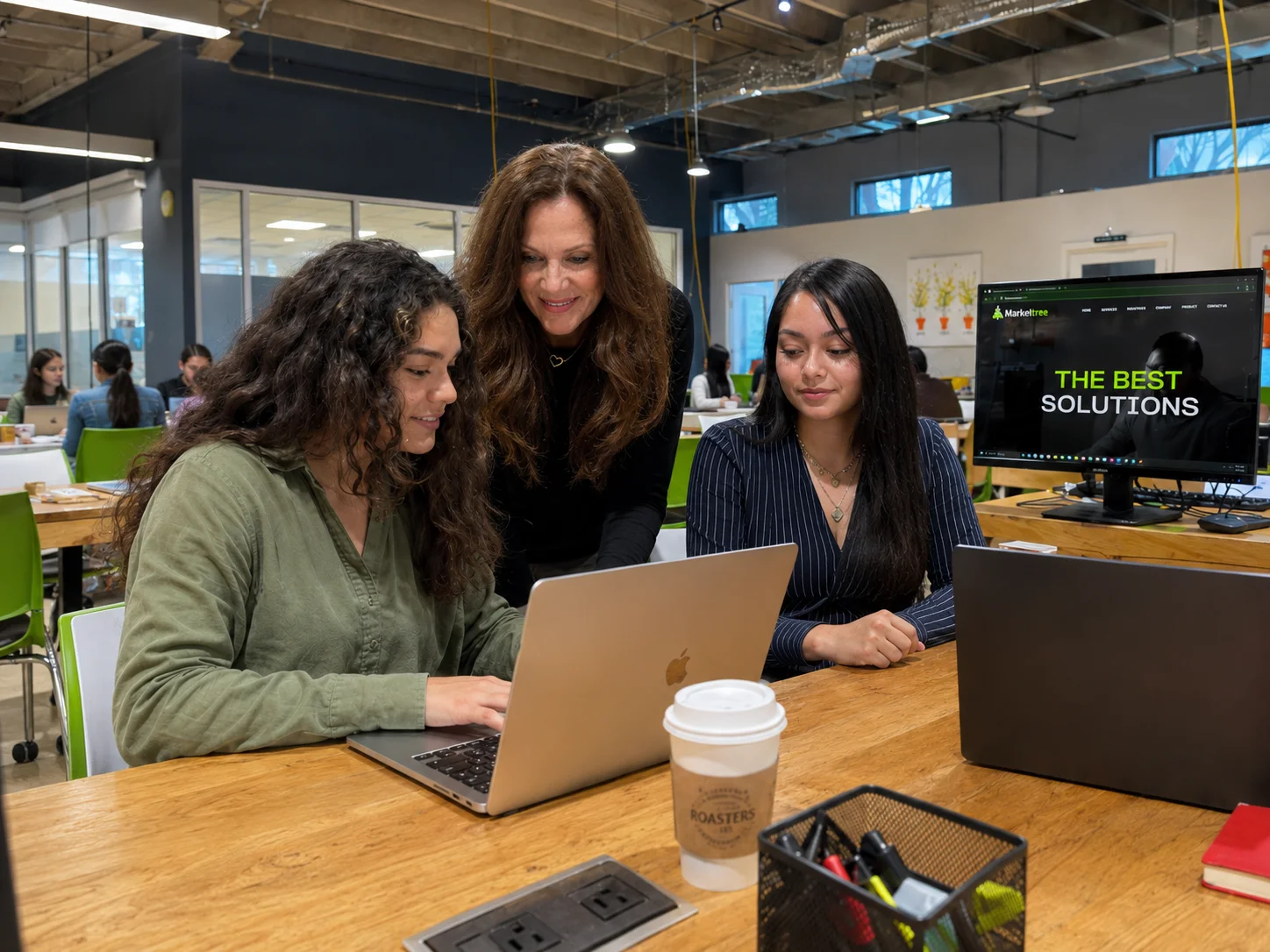
As with most first-time technology entrepreneurs, Kimberly was a subject-matter expert in what she wanted to solve, but had little experience in building a development company.
She tried several times but none of them worked out.
She also worked with development teams that experienced communication issues, scope shifts, project management problems, and clarifying the original product vision into a functioning piece of software.
She was once in the middle of a development engagement and had nothing more on her side but her wireframes and the belief that something better had to be done with technology development.
One company that she had originally contacted was still stuck in her mind's schema, ironically. It was located in Karachi, Pakistan.
Kimberly had originally planned to not proceed with the company due to location and communication issues that would make an already complex project even more difficult.
Eventually, she reconsidered.
From that moment on, it was all different.
Kimberly returned to the Pakistan base tech team and started to work with Muhammad Tariq Malik who worked with her account.
Something was different.
Tariq knew not only what Kimberly wanted to create, but why she wanted to create it.
That distinction mattered.
Rather than discussing the project in terms of features, the discussions focused on the function of the product, the users of the product and how the technology would need to behave in the real world.
They worked with the development team to bring Pauseitive from an idea to fruition.
It was a client/vendor dynamic that evolved into something more.
Tariq knew not only what Kimberly wanted to create, but why she wanted to create it.
The process of developing a technology product over a period of years is quite different from the one connected to a short development project.
There are tough choices to be made.
Users react to the site in ways that are not anticipated.
And founders find out pretty quickly if the folks along their walls are just working the job, or they're really trying to understand what they're going to accomplish.
Kimberly and Tariq continued to work together during the entire process.
Tariq evolved from managing her technology project to being much more than her technology project.
He evolved into a trusted figure for Kimberly to question thinking, address problems, oversee technology teams, and assist in shaping a vision into something that could actually be created.
Eventually, the client and the account manager became partners in business.
Kimberly's tech company and Tariq's software company merged.
Out of this partnership, Markeltree was born.
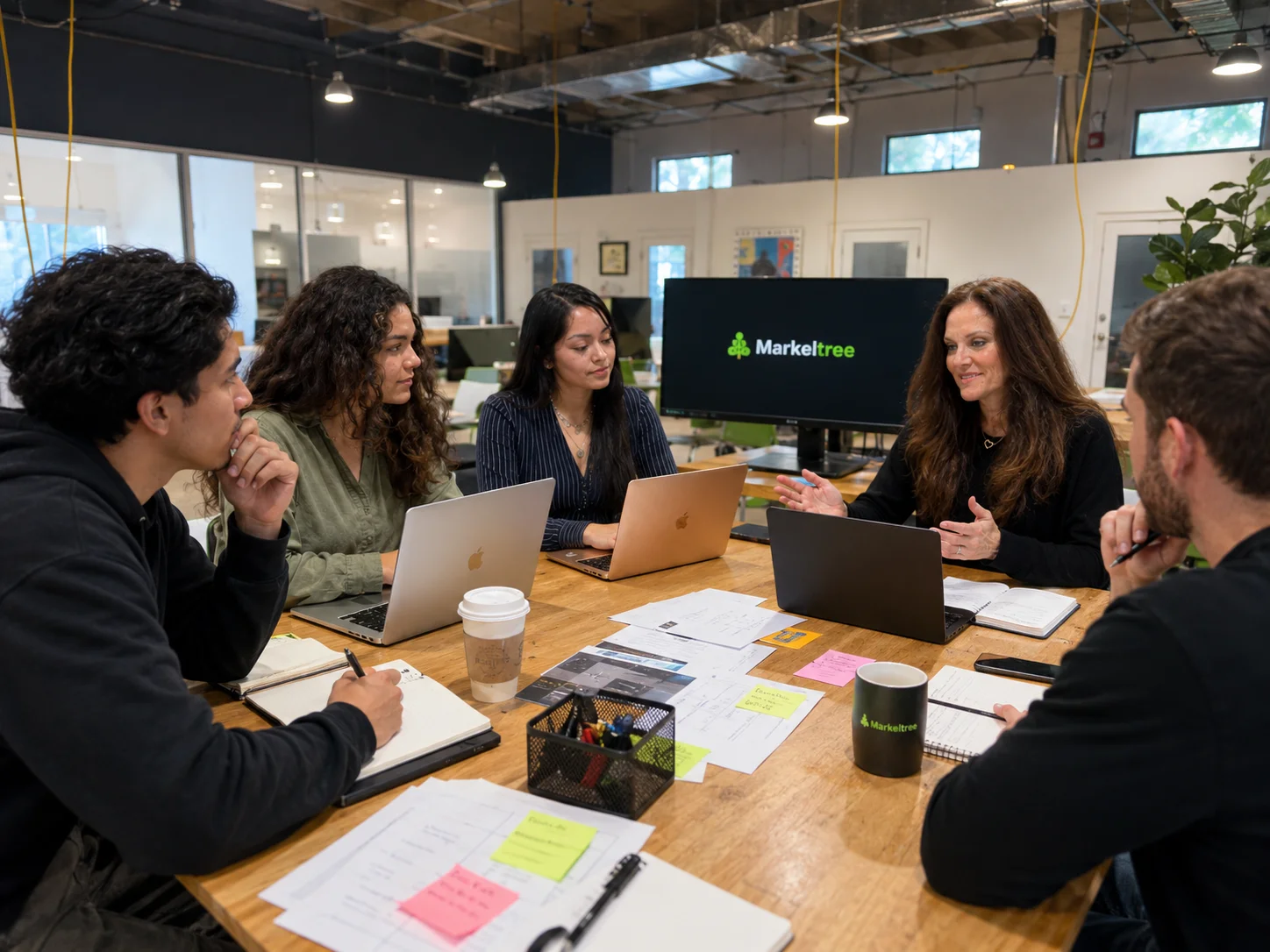
Markeltree's operations today are informed by the experience of building Pauseitive.
Kimberly had seen the development of technology on the client's side.
She's experienced what it's like to come into the process without a technical background.
She had experienced a sense of frustration from poor communication.
Her experience was a tale of scope and expectations not matching up.
But she knew the initiation of a founder's dream can be ignored by a developer team.
Tariq knew the competitor.
He knew his stuff, he knew developers, technical execution, project management, what software architecture would need to look like, what an engineering team needed, and how to make an idea into a working digital product.
They started creating the kind of tech business Kimberly had been looking for.
They have very different backgrounds.
It's just that's what it is.
We know and get the person with the idea.
We know the people that need to construct it.
This doesn't mean we don't talk about things, but rather our starting points are often:
So what features do you desire?
They begin with:
What do you want to learn how to do?
Who or what is suffering?
What is the need for the problem?
What are the things technology should improve?
It also revealed an even bigger opportunity, though.
The disconnection Kimberly was feeling was a reality for businesses all over.
They were looking for software, artificial intelligence, automation, mobile apps, SaaS platforms, and digital infrastructure, but they also needed somebody to help them decide what to construct.
Markeltree grew up around this need.
Today we work over:
Since Kimberly initially started building Pauseitive, the technologies have come a long way. But our philosophy has not changed.
Artificial intelligence makes it possible to build faster and automate more than ever before. But more technology does not automatically create a better product.
The best technology solves something meaningful.
It removes friction.
It saves time.
It creates clarity.
It improves decisions.
It makes businesses work better.
And it makes people's interactions with technology feel simpler rather than more complicated.
That belief connects directly back to where our story began.
And designed around one principle: understand the problem before building the technology.
Partner with experts committed to growth and innovation.
Markeltree’s AI solutions helped us optimize our data workflows and decision-making process. Their team clearly understood our objectives and delivered a practical, results-driven AI implementation.