Interactive Digital Prototyping
Prototypes that respond to real taps and clicks, so test users and stakeholders can try the product instead of imagining it.
Markeltree's prototype development services turn your idea into a software prototype you can click, test and demo. We build a fast software prototype that shows how the product works, where the potential pitfalls lie, and what the full software build will require, before you invest in it.
Software prototyping is the process of creating a software prototype: an early version of a software product built to demonstrate a product concept.
Software prototyping is the creation of an early, working version of a product so you can test it before building the real product. A software prototype answers the costly questions while they are still cheap to answer:
A set of linked screens with clickable buttons that show how a user moves through the product.
A working workflow built in code and run on real data.
A focused build that tackles one hard technical problem.
It is not the end result. It is the quickest honest way to find out what the final product should be.
Have an idea? Need engineers? Pitching investors? We help you choose a practical next step, without jumping straight into a full MVP.
From idea to prototype. From prototype to product.
Challenge: You have a clear idea but no engineering team to bring it to life.
Solution: We turn your concept into a clickable prototype of the key user flows.
Impact: Explain, test and scope your product with confidence.
From the first wireframe to a fully working prototype, we give founders the services they need to test an idea quickly and build with confidence.
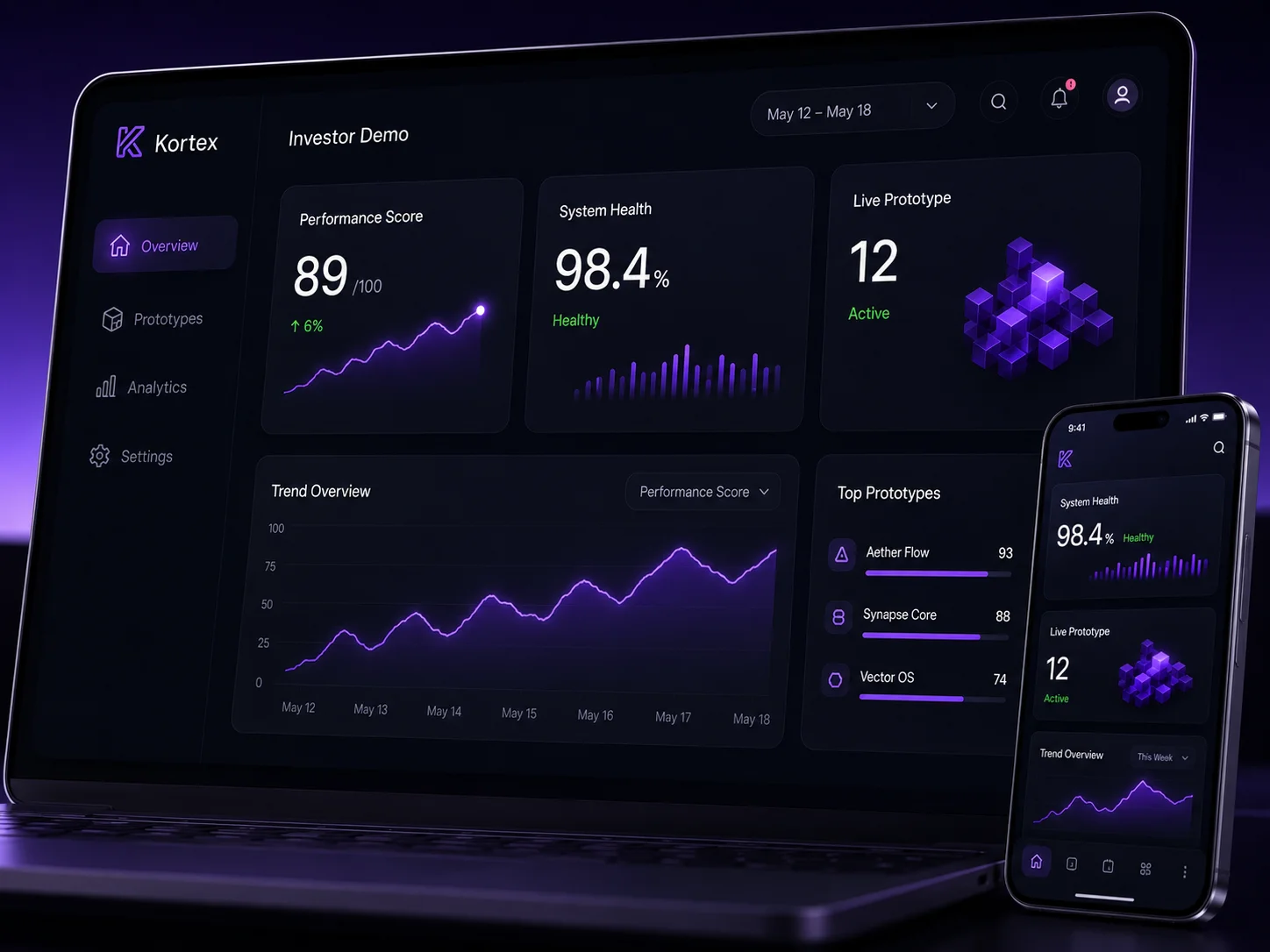
Prototypes that respond to real taps and clicks, so test users and stakeholders can try the product instead of imagining it.
High-fidelity screens you can click through and refine, so layout, visual design and user experience are right before development.
Virtual models of a product, device or process that let you simulate behaviour and test changes before they happen in the real world.
iOS and Android prototypes you can install on a real phone, built in short sprints for fast user testing.
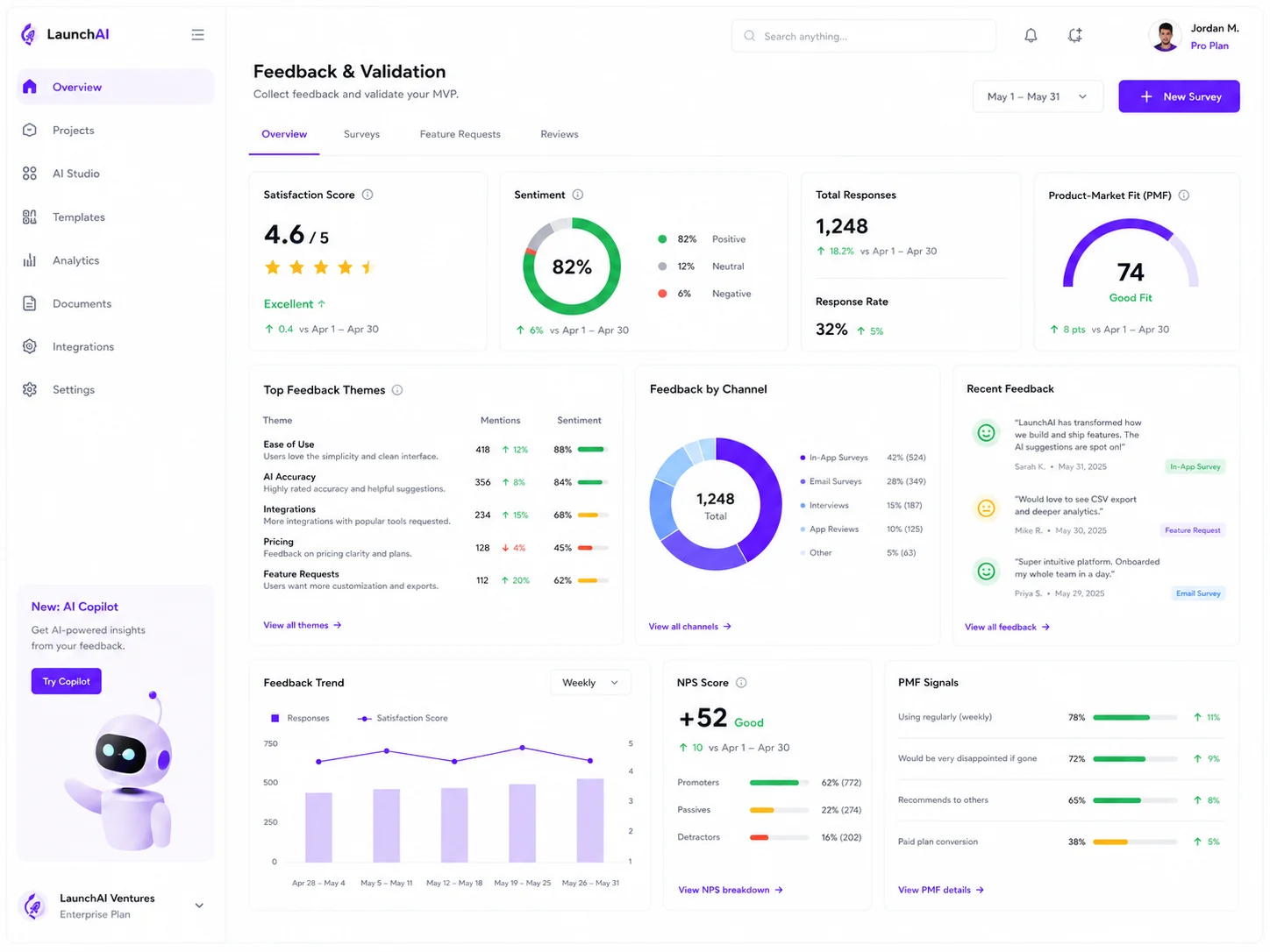
Browser-based prototypes of SaaS dashboards, portals and web apps, built to test usability and gather user insights.
Prototypes of admin panels, internal tools and complex interfaces that compare design options and make everyday tasks easier.
Realistic, presentation-ready mockups that show how the finished product will look, ideal for pitch decks and stakeholder sign-off.
Structured usability sessions and feedback analysis that find issues early and show which features to keep for the MVP.
Immersive VR prototypes that let stakeholders step inside your product and understand it in a way screens can't show.
AR prototypes that place your digital product in real-world surroundings to guide design and placement decisions.
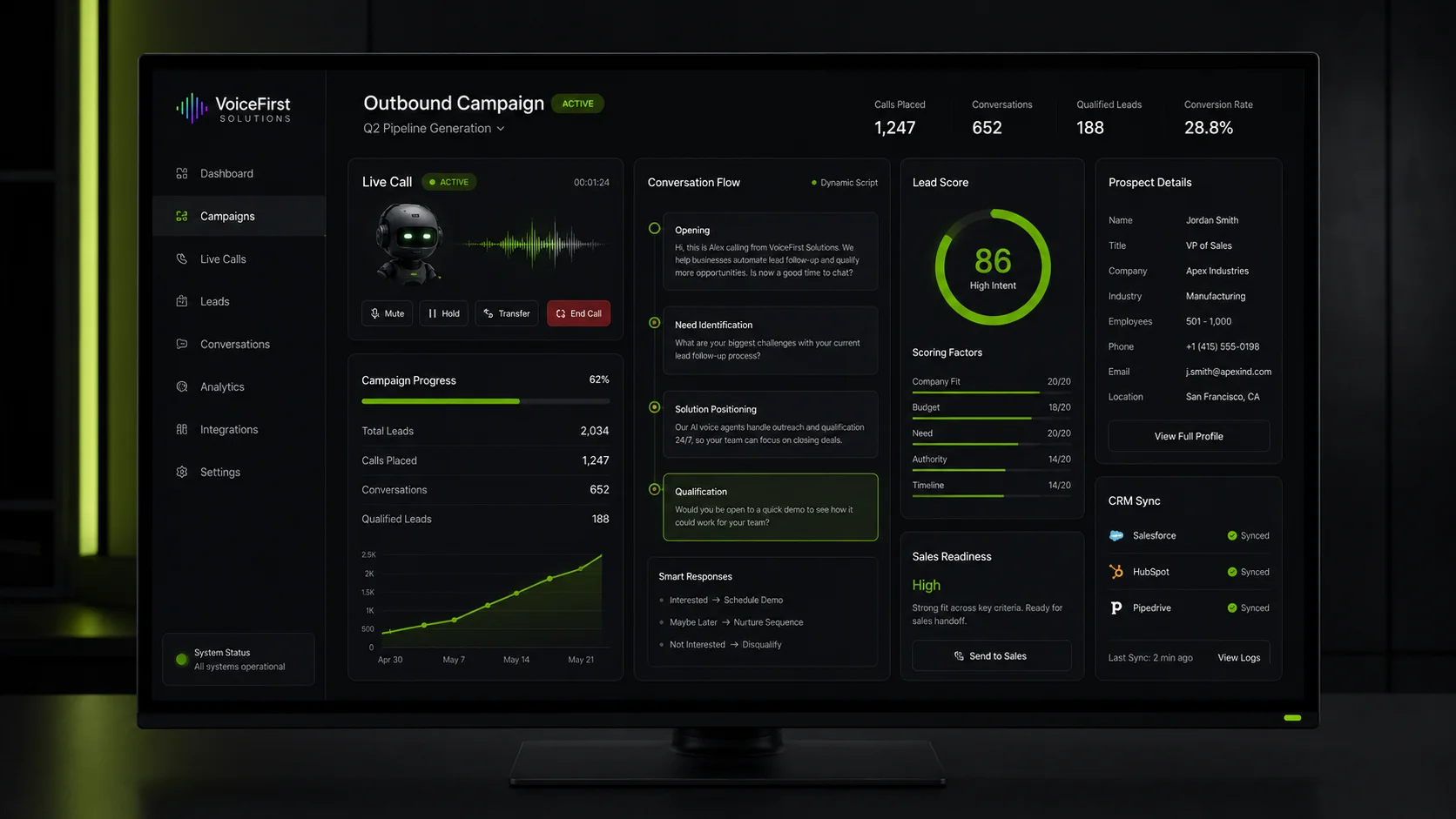
Working versions of chatbots, voice agents and AI automation, tested against your own data before you commit to a full build.
Low-fidelity, clickable wireframes that map structure and navigation early, when changes are quickest and cheapest.
Rapid software prototyping turns weeks of debate into a few days of building. Here are the advantages of prototyping first:
Test the concept in a small-scale build rather than a full build. Put real users in front of screens and flows and gather feedback before committing to production code.
Investors, partners and your own team respond to a working software prototype far better than to a slide deck.
Integrations, AI behaviour and data issues surface in the prototype, where they are easier and cheaper to fix.
You get a clearer scope, a realistic estimate and a recommendation on what the MVP should contain.
Different types of prototypes answer different questions. After considering what you need to learn, we recommend one.
A software prototype of screens, user flows and interactions that behave like your product. It supports lightweight rapid software prototyping because it needs no production backend, and it is the best level for user testing and investor demos.
Best for: User testing and investor demosA working solution with real front-end and back-end code covering the key features of your workflow. It lets you validate your software prototype against real data and real user actions, making it the best way to validate the core workflow end to end.
Best for: Validating the core workflow end to endA quick, focused prototype that addresses one technical issue, such as performance or a data pipeline. Our prototype development services start with the riskiest part of the product, which helps minimise engineering risk.
Best for: Reducing engineering riskA working version of an AI feature, such as chat, voice or automation, tested with your own data. Software prototyping lets you try the AI without a full build and prove it does the job.
Best for: Checking that AI solves the problemConnects your concept to CRMs, payment systems and company APIs to confirm data moves correctly between the systems your product relies on.
Best for: Products that depend on other systemsA working iOS, Android or cross-platform version of your app that you install and test on a real device, so you see how it feels to users, not only on a screen. Ideal for mobile-first products.
Best for: Mobile-first productsTell us what you need to show. An engineer will recommend the right type and size.
A short, predictable process with a working demo at the end.
We get to know your idea, your users and what the prototype needs to demonstrate.
We agree on the screens, features and integrations in scope.
You get the level of effort, resources and risks up front.
We build in small steps and demo progress along the way.
You get the result and a recommendation for the MVP.
Where it helps, our engineers use AI coding assistants for boilerplate, test scaffolding, documentation and exploring options quickly. That gives us more time for the parts of your software prototype that need careful thought.
Architecture, data and security decisions are made and overseen by experienced engineers.
AI speeds up boilerplate, test scaffolding and documentation, leaving more room for the hard parts.
Screens and flows follow the user's journey to get something done, not the layout of a screen.
You see working builds regularly and can change direction before it becomes costly.
Deliverables vary with the prototype type and scope. Typical software prototype development deliverables include:
Describe your software prototype. An engineer reads your message and replies with next steps for scoping your prototyping project.
Talk to an engineer about what your prototype needs to prove and how to scope it.